
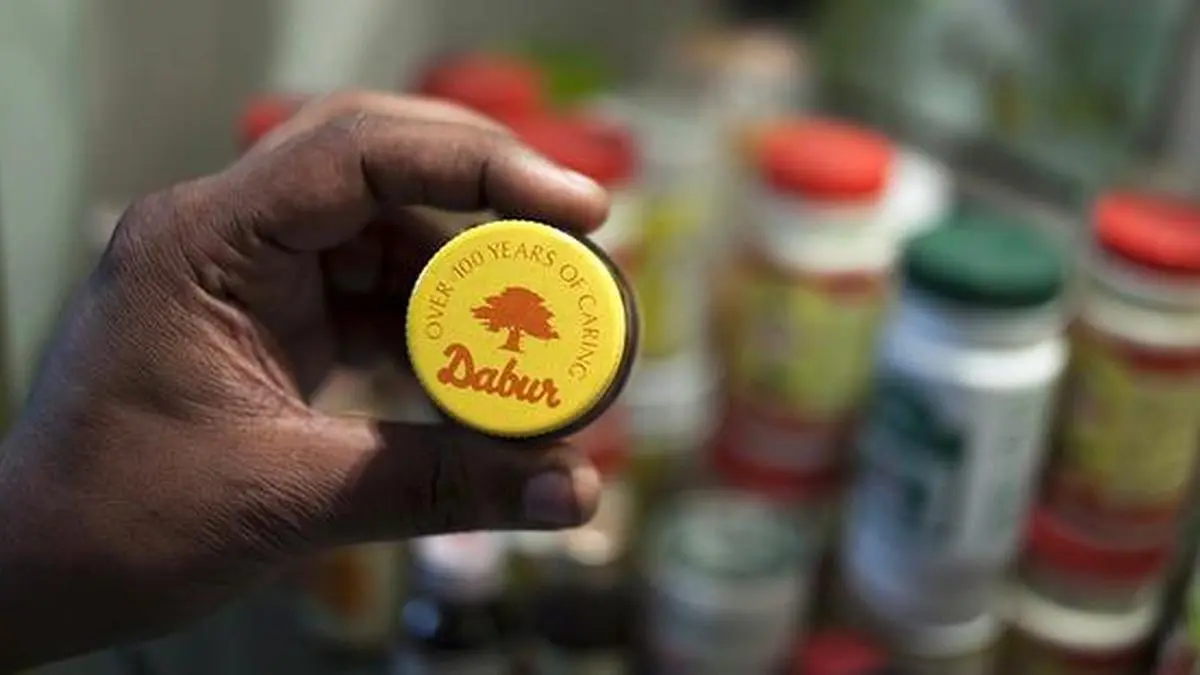
FSSAI Cracks Down on Dabur Over Misleading ‘100% Natural’ Claims
The Food Safety and Standards Authority of India (FSSAI) has taken a significant step to protect consumers from misleading claims by ordering Dabur India to halt the sale of products with “100% Natural”, “100% Pure”, and other such claims. The move is aimed at ensuring that food businesses adhere to the regulations and provide accurate information to consumers.
FSSAI Cracks Down on Dabur Over Misleading Claims
The FSSAI has directed Dabur India to immediately prohibit the sale of food products carrying misleading “100%” claims, including honey, Apple Cider Vinegar, Virgin Coconut Oil, Sesame Oil, Cow Ghee, Coconut Water, and Coconut Milk. The regulator has also asked the company to submit an action taken report within 15 days.
The FSSAI stated that the company’s products were found to be carrying misleading claims such as “100% Natural”, “100% Pure”, “100% Purity Guaranteed”, “100% Organic”, and “100% Tender Coconut Water” on its website.
Violations of Advertising and Organic Labelling Regulations
The FSSAI has cited violations of the FSS (Advertising & Claims) Regulations, 2018, which state that 100% claims are ambiguous, unverifiable, and likely to mislead consumers. The regulator has also pointed out that the company’s products, Dabur Himalayan Organic Apple Cider Vinegar and Dabur Organic Honey, were found to be displaying the Jaivik Bharat Logo without a valid FSSAI organic endorsement, which is a contravention of the FSS (Organic Foods) Regulations, 2017.
Market Impact and Details
- The FSSAI has directed Dabur India to immediately prohibit the sale of food products carrying misleading “100%” claims.
- The regulator has asked the company to submit an action taken report within 15 days.
- The FSSAI has been cracking down on various food business operators for misleading claims, labelling violations, and other violations.
Key Takeaways
- The FSSAI has ordered Dabur India to halt the sale of products with misleading “100%” claims.
- The regulator has cited violations of the FSS (Advertising & Claims) Regulations, 2018, and the FSS (Organic Foods) Regulations, 2017.
- The FSSAI has asked the company to submit an action taken report within 15 days.
FAQs
What are the FSS (Advertising & Claims) Regulations, 2018?
The FSS (Advertising & Claims) Regulations, 2018, regulate the advertising and labelling of food products in India. The regulations prohibit the use of ambiguous, unverifiable, and misleading claims on food products.
What is the Jaivik Bharat Logo?
The Jaivik Bharat Logo is a certification mark that indicates that a product is organic. However, the FSSAI has pointed out that the company’s products were found to be displaying the logo without a valid FSSAI organic endorsement.
What is the FSS (Organic Foods) Regulations, 2017?
The FSS (Organic Foods) Regulations, 2017, regulate the production, processing, and labelling of organic food products in India. The regulations require food businesses to obtain a valid FSSAI organic endorsement to use the Jaivik Bharat Logo.
Conclusion
The FSSAI’s move to order Dabur India to halt the sale of products with misleading “100%” claims is a significant step towards protecting consumers from misleading information. The regulator has cited violations of the FSS (Advertising & Claims) Regulations, 2018, and the FSS (Organic Foods) Regulations, 2017. The company has been asked to submit an action taken report within 15 days. Consumers are advised to be cautious of misleading claims on food products and to check the authenticity of the products before making a purchase.