India’s Financial Markets Expected to Remain Resilient in 2026-27
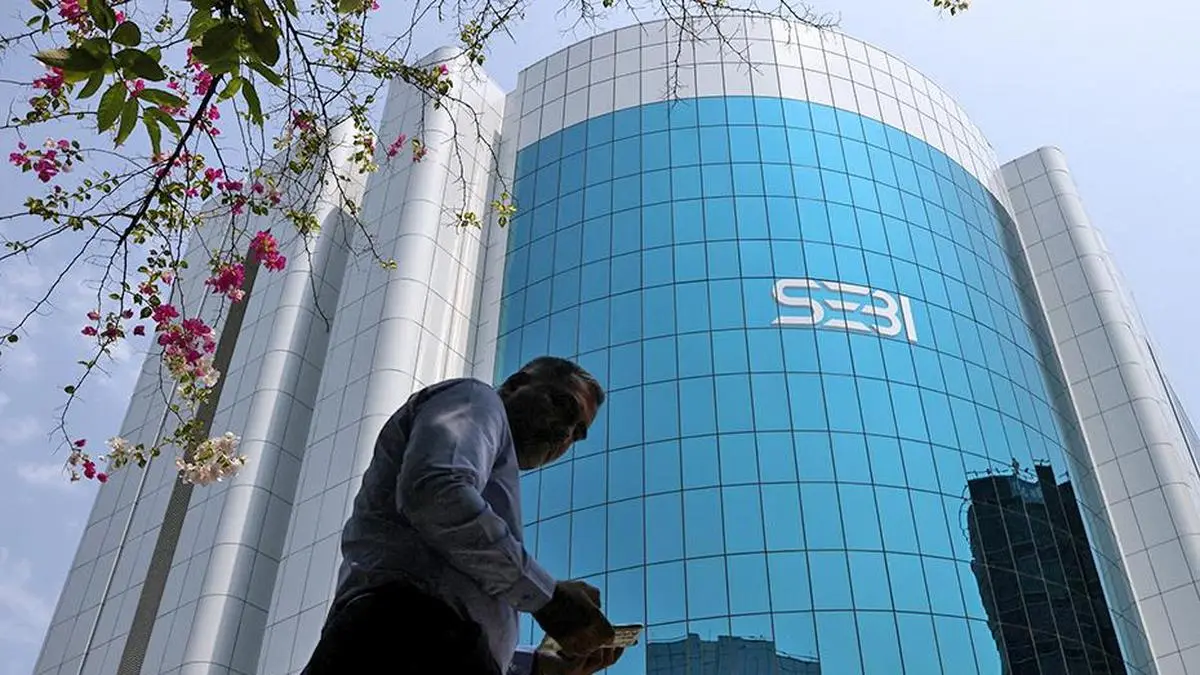
India’s financial markets are expected to remain resilient in 2026-27, driven by strong domestic economic fundamentals, despite heightened global risks, according to the Securities and Exchange Board of India (SEBI) Annual Report 2025-26.
India’s Resilient Economy Supports Markets
India’s economy remained robust in 2025-26, supported by robust domestic demand, government capital expenditure, and a strong services sector. Real GDP growth was estimated at 7.7 per cent in 2025-26, accelerating from 7.1 per cent in the previous year.
Private consumption and investment remained key growth drivers, accounting for 56.7 per cent and 31.9 per cent of nominal GDP, respectively. The strong domestic fundamentals, fiscal consolidation, improving inflation dynamics, and resilient domestic institutional investment are expected to support India’s relative outperformance.
Key Drivers of India’s Economic Growth
The report highlighted that India’s relatively strong domestic fundamentals, fiscal consolidation, improving inflation dynamics, stronger corporate balance sheets, and resilient domestic institutional investment are expected to support its relative outperformance.
Global Risks and Market Impact
- The global environment is expected to remain uncertain, with the IMF projecting 6.5 per cent growth for India in 2026-27, compared with global growth of 3.1 per cent.
- A prolonged Middle East conflict and crude oil prices above $100 per barrel could widen the current account deficit and increase inflationary pressures.
- Commodity prices remain another key risk, with higher crude prices potentially raising India’s import bill, widening the current account deficit, and creating upside risks to inflation.
Key Takeaways
- India’s financial markets are expected to remain resilient in 2026-27, driven by strong domestic economic fundamentals.
- The global environment is expected to remain uncertain, with potential risks to India’s economy.
- Commodity prices and global capital flows will continue to pose challenges to India’s financial markets.
FAQs
What are the key drivers of India’s economic growth?
The report highlighted that India’s relatively strong domestic fundamentals, fiscal consolidation, improving inflation dynamics, stronger corporate balance sheets, and resilient domestic institutional investment are expected to support its relative outperformance.
What are the risks to India’s economy?
The global environment is expected to remain uncertain, with potential risks to India’s economy, including a prolonged Middle East conflict, crude oil prices above $100 per barrel, and commodity prices.
What is the impact of foreign portfolio investor (FPI) selling on India’s equities?
FPI equity outflows from India reached a record $19.7 billion during the year, reflecting sustained foreign portfolio investor selling, rupee depreciation, valuation concerns, slower earnings growth, and the impact of the Middle East conflict.
Conclusion
India’s financial markets are expected to remain resilient in 2026-27, driven by strong domestic economic fundamentals, despite heightened global risks. The report highlights the importance of maintaining macroeconomic stability through strategic petroleum reserves, import diversification, and targeted fiscal support. Market performance will remain closely linked to the trajectory of global geopolitical risks, energy prices, and international capital flows. As investors, it is essential to stay informed and adapt to the changing market conditions.