Empowering Women in India’s Dairy Sector: A Path to Inclusive Growth
As India’s dairy sector continues to grow, it’s essential to address the gender gaps that exist within the industry. With millions of women employed in dairy production, placing women at the centre of dairy policy is not only fair and legitimate but also crucial for building economic resilience and inclusive growth.
Why the Dairy Sector Matters for Women’s Empowerment in India
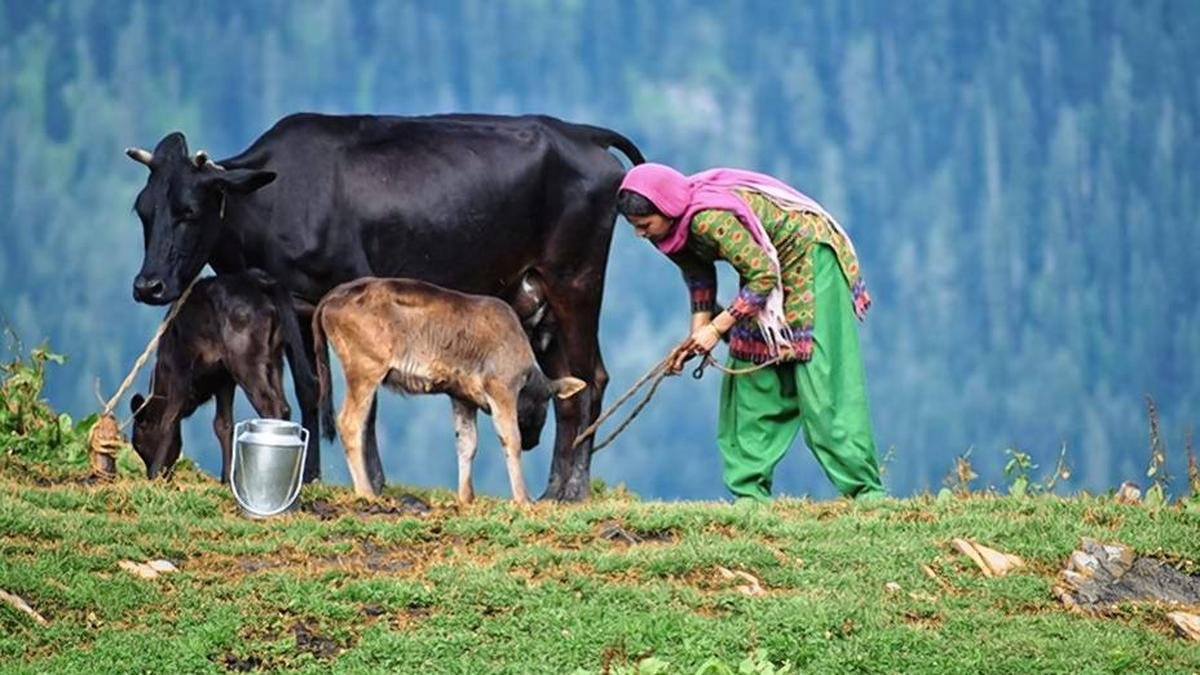
Women are the backbone of India’s dairy sector, shouldering milking, animal care, fodder collection, and household nutrition. However, their contributions remain inadequately recognised in official records, markets, and ownership systems.
Direct village-level sourcing removes intermediaries, bringing producers closer to markets and reducing avoidable costs. Registering women as producers would make their work visible, while direct payments into their bank accounts would strengthen their financial independence and help build creditworthiness.
Breaking Down Barriers to Women’s Empowerment
Significant barriers remain, including men owning most land and livestock, limiting women’s ability to use assets as collateral for loans. Many women lack the legal documents required to access formal credit, and training programmes are often held at times or in locations that women cannot attend.
Market Impact and Details
- Some firms in India have already shown what a gender-responsive dairy policy can look like in practice, such as decentralising procurement and introducing easy-term loans to village entrepreneurs.
- Organisations like Heritage Foods Limited have demonstrated the effectiveness of targeted last-mile finance in unlocking enterprise growth and empowering women dairy farmers.
- By formally registering women as producers and paying them directly, dairy firms can support women-led producer groups and expand access to affordable credit through village institutions and digital platforms.
Key Takeaways
- Registering women as producers and paying them directly can strengthen their financial independence and help build creditworthiness.
- Targeted last-mile finance can unlock enterprise growth and empower women dairy farmers.
- Regularly reporting gender outcomes can deepen accountability and accelerate progress in promoting women’s empowerment in the dairy sector.
FAQs
What is the significance of the International Year of the Woman Farmer?
The International Year of the Woman Farmer, declared by the United Nations in 2026, calls on governments and industries to address gender gaps in land rights, access to finance, and extension services.
How can dairy firms support women-led producer groups?
Dairy firms can support women-led producer groups by offering tailored services such as fodder banks and insurance, and expanding access to affordable credit through village institutions and digital platforms.
What is the role of accountability and data in promoting women’s empowerment in the dairy sector?
Accountability and data matter in promoting women’s empowerment in the dairy sector. Regularly reporting gender outcomes can deepen accountability and accelerate progress in promoting women’s empowerment.
Conclusion
India’s dairy future will be stronger, fairer, and more resilient if it embraces innovation and a gender-responsive approach. By recognising women’s labour, expanding direct payments, improving access to credit, and supporting women-led enterprise at the village level, we can build a more inclusive and equitable dairy sector that benefits all.