India’s Copper Challenge: Navigating Energy Security and Strategic Dependence
India’s pursuit of Viksit Bharat and Amrit Kaal has highlighted the country’s vulnerability to external supply chains, particularly in the copper sector. As the world grapples with intensifying competition for critical resources, India’s dependence on imported copper supply chains poses a significant strategic challenge.
Copper: A Critical Component of India’s Energy Security
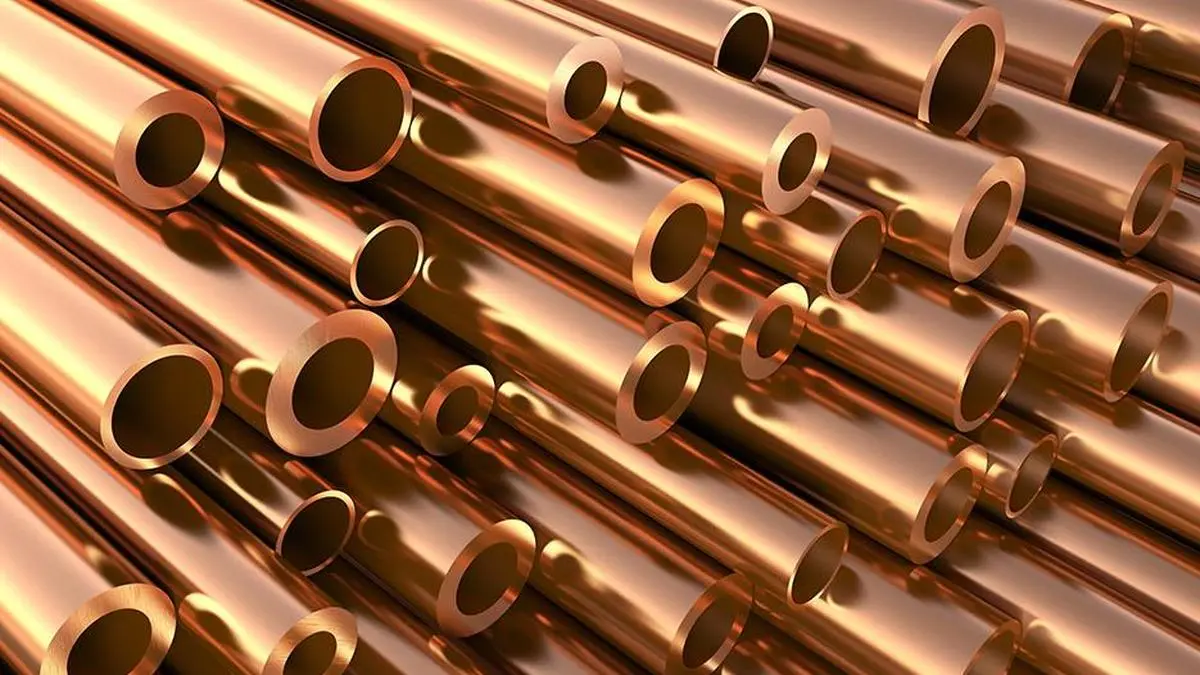
Copper is no longer just an industrial commodity; it’s a crucial component of India’s energy security. Every solar panel, wind turbine, EV motor, transformer, and kilometre of transmission line relies on copper. Despite this, India consumes a mere 1 kg of copper per person annually, compared to the world average of 3.2 kg and China’s 14 kg.
The Ministry of Mines’ Copper Vision Document 2025 projects a five-fold rise in domestic demand to approximately 10 million tonnes by 2047, underscoring the need for a robust copper ecosystem.
India’s Copper Capacity: A Story of Decline and Rise
India once held over one million tonnes of copper smelting and refining capacity and exported 378,000 tonnes of cathodes annually. However, the closure of Sterlite Copper’s Tuticorin smelter in 2018 led to a collapse in cathode exports, making India a net importer of copper.
Gujarat: India’s Copper Backbone
- Hindalco Industries operates one of the world’s largest single-location copper smelters at Dahej with a capacity of 500,000 tonnes per annum.
- The company is investing nearly $1.1 billion for a 300 KTPA expansion at Dahej and building 200 KTPA of copper & e-waste recycling capacity.
- Adani Group’s Kutch Copper project at Mundra has been commissioned and is expected to scale to one million tonnes annually over time.
- Vedanta has strengthened downstream copper operations within the State.
Gujarat’s rise extends beyond refining, with companies such as Hindalco, Adani, RR Global, and Mettube expanding manufacturing capacities through integrated industrial ecosystems.
Key Takeaways
- Gujarat is emerging as India’s copper backbone, with a refined copper capacity of over 2 MTPA.
- India needs more Gujarat-like copper ecosystems to meet its future copper demand.
- The Union Budget 2024-25 introduced duty rationalisation for copper concentrates and measures supporting recycling and domestic processing.
FAQs
What is the significance of copper in India’s energy security?
Copper is a critical component of India’s energy security, with every solar panel, wind turbine, EV motor, transformer, and kilometre of transmission line relying on it.
What is the current state of India’s copper capacity?
India once held over one million tonnes of copper smelting and refining capacity but has since become a net importer of copper due to the closure of Sterlite Copper’s Tuticorin smelter in 2018.
What is the role of Gujarat in India’s copper sector?
Gujarat is emerging as India’s copper backbone, with a refined copper capacity of over 2 MTPA and a growing ecosystem of copper processing and manufacturing facilities.
Conclusion
India’s dependence on imported copper supply chains poses a significant strategic challenge. Gujarat’s emergence as India’s copper backbone is a step in the right direction, but more needs to be done to meet India’s future copper demand. The window to fix India’s copper strategy shortage is narrowing, and it’s essential to recognize the importance of copper in India’s energy security.