India’s Booming Locker Economy: Challenges and Opportunities
The Indian locker economy is booming, with a strong demand for safekeeping valuables despite concerns about security and operational lapses. Locker usage remains a vital part of Indian households, particularly among senior citizens, pensioners, and non-resident Indians (NRIs), who often prefer to retain family jewellery in India.
India’s Evolving Locker Economy
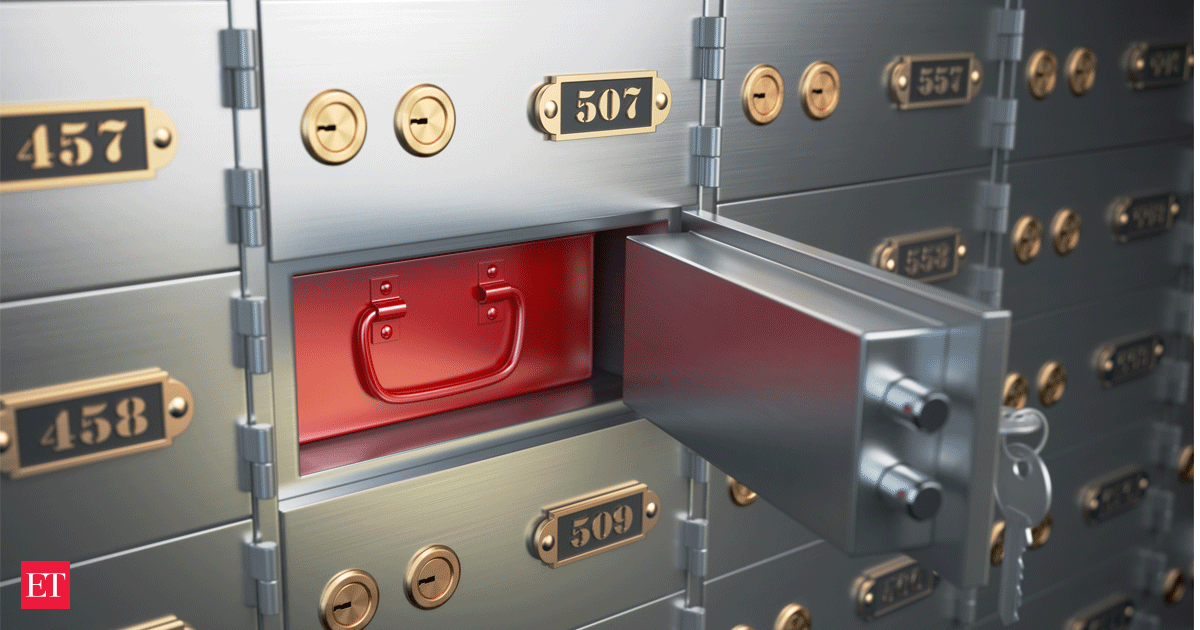
India’s locker economy is shaped by rising household wealth, a deep cultural attachment to physical assets, technological change, chronic locker shortages, and the rise of private vault operators. Lockers have a long history in India, with bank vaults being the safest option due to homes being vulnerable to burglary and theft.
Banks use lockers as a hook for customers to open accounts, making them an important customer-retention tool. However, the system is far from perfect, with lockers in short supply and reports of operational lapses and thefts adding to customer anxiety.
Challenges in the Locker Industry
The locker industry faces several challenges, including chronic locker shortages, reports of operational lapses and thefts, and the absence of declared locker inventories, making insurance underwriting difficult. This has created a strange situation where assets worth crores may sit inside highly regulated banking infrastructure without meaningful insurance visibility or protection.
Market Impact and Details
- The demand for lockers is projected to rise to 6 crore by 2030, according to a report by safe-deposit startup Aurum Vault.
- Public sector banks, which dominate India’s locker infrastructure, have largely avoided public discussions around utilisation levels, operational risks, security incidents, or locker expansion plans.
- Private banks are increasingly treating lockers as strategic retail products rather than passive utilities, with HDFC Bank’s locker franchise witnessing double-digit growth over the last three years.
Key Takeaways
- The Indian locker economy is booming, with a strong demand for safekeeping valuables despite concerns about security and operational lapses.
- Lockers remain a vital part of Indian households, particularly among senior citizens, pensioners, and NRIs.
- The locker industry faces several challenges, including chronic locker shortages, reports of operational lapses and thefts, and the absence of declared locker inventories.
FAQs
What is the current state of the locker industry in India?
The locker industry in India is booming, with a strong demand for safekeeping valuables. However, the system is far from perfect, with lockers in short supply and reports of operational lapses and thefts adding to customer anxiety.
What are the challenges faced by the locker industry?
The locker industry faces several challenges, including chronic locker shortages, reports of operational lapses and thefts, and the absence of declared locker inventories, making insurance underwriting difficult.
What is the role of private vault operators in the locker industry?
Private vault operators are expanding across urban India, offering biometric access and extended operating hours. They are competing with banks on convenience and accessibility, and are tapping into lifestyle-driven demand.
Conclusion
India’s locker ecosystem is not shrinking, it is fragmenting. While banks continue to dominate it, private operators are competing on convenience and accessibility, and home-safe manufacturers are tapping into lifestyle-driven demand. As India grows wealthier, the real question is not whether households will continue storing physical wealth but who they will trust to protect it? There are no safe answers.