
CCPA Fines Food Companies for Misleading Label Claims, Directs Withdrawal
The Consumer Protection Authority (CCPA) has imposed hefty fines on two prominent food companies, Storia Foods and English Oven, for making misleading claims on their product labels. The fines amount to Rs 1 lakh each, with both companies directed to withdraw the claims from their packaging, websites, and digital platforms.
CCPA Takes Action Against Misleading Food Label Claims
The CCPA, led by Chief Commissioner Nidhi Khare and Commissioner Anupam Mishra, took suo motu cognizance of the companies’ advertisements claiming “100% Tender Coconut Water” and “100% Natural” products. The authority found that the ingredient lists and product composition did not match the claims made by the companies.
The CCPA examined Storia Foods’ advertisements on their website, product packaging, and e-commerce platforms, including Amazon, Flipkart, BigBasket, Blinkit, JioMart, and Zepto. Investigators found that the flagship product contained only 9.6% coconut water concentrate, reconstituted to be “equivalent” to 100% coconut water.
Key Misleading Claims Exposed
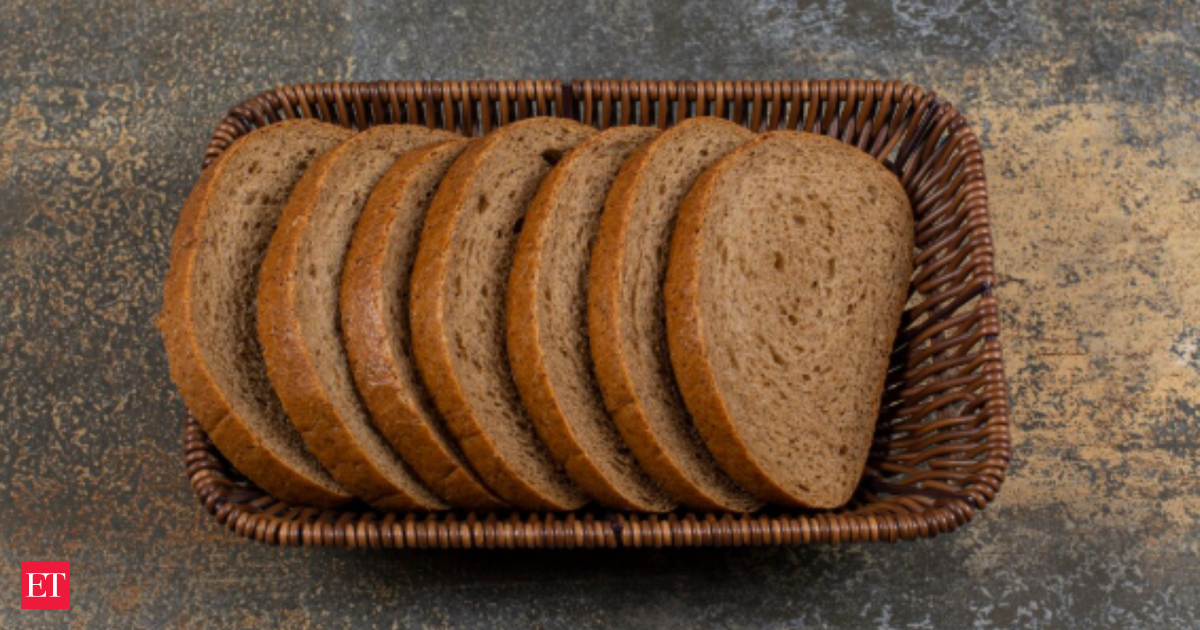
The CCPA flagged several misleading claims made by English Oven, including “100% Atta Bread”, “100% Whole Wheat Bread”, and “Naturally rich in whole grains with 100% whole-wheat flour”. The authority found that the company’s bread products contained only 87% whole wheat flour, making the “100%” claim untenable.
Market Impact and Details
- The CCPA has directed both companies to immediately withdraw the claims from their product packaging, websites, and digital platforms.
- The fines amount to Rs 1 lakh each, with the CCPA taking action under the Consumer Protection Act, 2019, and the Guidelines for Prevention of Misleading Advertisements, 2022.
- The CCPA has reiterated that all claims relating to composition, quality, nutrition, or health benefits must be truthful, verifiable, and non-deceptive.
- The authority has warned that it will continue enforcement action wherever consumers are misled about the nature or composition of products.
Key Takeaways
- The CCPA has imposed fines on Storia Foods and English Oven for making misleading claims on their product labels.
- The companies have been directed to withdraw the claims from their packaging, websites, and digital platforms.
- The CCPA has reiterated its commitment to enforcing truthful and non-deceptive advertising practices.
FAQs
What are the consequences of making misleading claims on product labels?
The CCPA has imposed fines on companies making misleading claims, directing them to withdraw the claims from their packaging, websites, and digital platforms.
What is the CCPA’s stance on truthful and non-deceptive advertising practices?
The CCPA has reiterated its commitment to enforcing truthful and non-deceptive advertising practices, warning that it will continue enforcement action wherever consumers are misled about the nature or composition of products.
What are the guidelines for preventing misleading advertisements?
The CCPA has directed companies to follow the Guidelines for Prevention of Misleading Advertisements, 2022, which require all claims to be truthful, verifiable, and non-deceptive.
Conclusion
The CCPA’s action against Storia Foods and English Oven serves as a reminder to companies to ensure that their advertising practices are truthful and non-deceptive. Consumers have the right to accurate information about the products they purchase, and the CCPA will continue to enforce these rights. To avoid similar fines and penalties, companies must adhere to the guidelines for preventing misleading advertisements and ensure that their claims are truthful and verifiable.