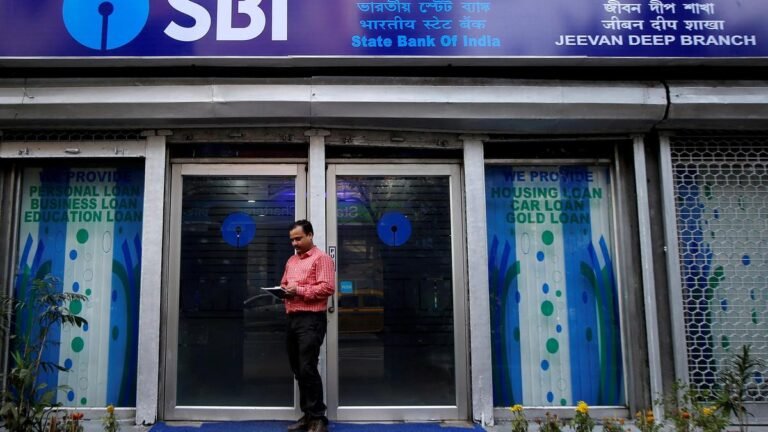

Indian Banking Sector Sees Loan Growth Uptick, Deposits Lag Behind in Q1 2026
Indian banking sector witnessed a significant uptick in loan growth during the first quarter of 2026, with several lenders reporting advances growth at double the rate of credit growth. However, the sector still grapples with a widening gap between credit and deposit growth, with some banks experiencing a decline in deposits compared to end March 2026 levels.
Loan Growth Accelerates in Q1, Deposits Lag Behind
The Central Bank recorded a global advances growth of about 28.8%, followed by Tamilnad Mercantile Bank at 27%, Dhanlaxmi Bank at 26.5%, and J&K Bank at 25.5%. Among large lenders, Bank of India reported advances growth of 18.6%, while Canara Bank posted about 18%, reflecting continued traction in corporate and RAM segments.
Key Drivers of Credit Growth
The introduction of an emergency credit line guarantee scheme, longer working capital cycles due to supply chain disruptions, and oil companies turning borrowers due to the government decision not to pass on increase in crude oil prices to borrowers were some of the key drivers of credit growth in the first quarter.
Deposit Growth Remains a Concern
- RBL Bank reported a 10.2% quarter-on-quarter decline in total deposits.
- IDBI Bank reported a 6.3% sequential decline in deposits, with liabilities falling from Rs 3,47,163 crore to Rs 3,25,393 crore.
- Bank of Baroda reported a 0.9% decline in global deposits and a 0.9% reduction in global advances compared with the March quarter.
Key Takeaways
- Loan growth accelerated in Q1, with several lenders reporting advances growth at double the rate of credit growth.
- The gap between credit and deposit growth widened, with some banks experiencing a decline in deposits compared to end March 2026 levels.
- PSU banks are losing market share on deposits, with deposit growth trailing advances at 12.2% YoY.
FAQs
What are the key drivers of credit growth in the first quarter?
The introduction of an emergency credit line guarantee scheme, longer working capital cycles due to supply chain disruptions, and oil companies turning borrowers due to the government decision not to pass on increase in crude oil prices to borrowers were some of the key drivers of credit growth in the first quarter.
Why are PSU banks losing market share on deposits?
PSU banks are losing market share on deposits due to weak deposit growth, which has trailed advances at 12.2% YoY. This has widened the credit-deposit growth gap to 5.4% as of May-26, pushing the system loan-to-deposit ratio to 82.7%-which is among the highest levels in over a decade.
What is the impact of the widening credit-deposit growth gap on the banking sector?
The widening credit-deposit growth gap has pushed the system loan-to-deposit ratio to 82.7%-which is among the highest levels in over a decade. This has raised concerns about the sector’s ability to sustain growth in the face of declining deposits.
Conclusion
The Indian banking sector witnessed a significant uptick in loan growth during the first quarter of 2026, but the sector still grapples with a widening gap between credit and deposit growth. As the sector continues to navigate these challenges, it is essential for lenders to focus on managing their liability profiles and improving deposit growth to sustain long-term growth.