Indian Equities Market Witnesses Sharp Rebound Driven by Lower Crude Prices
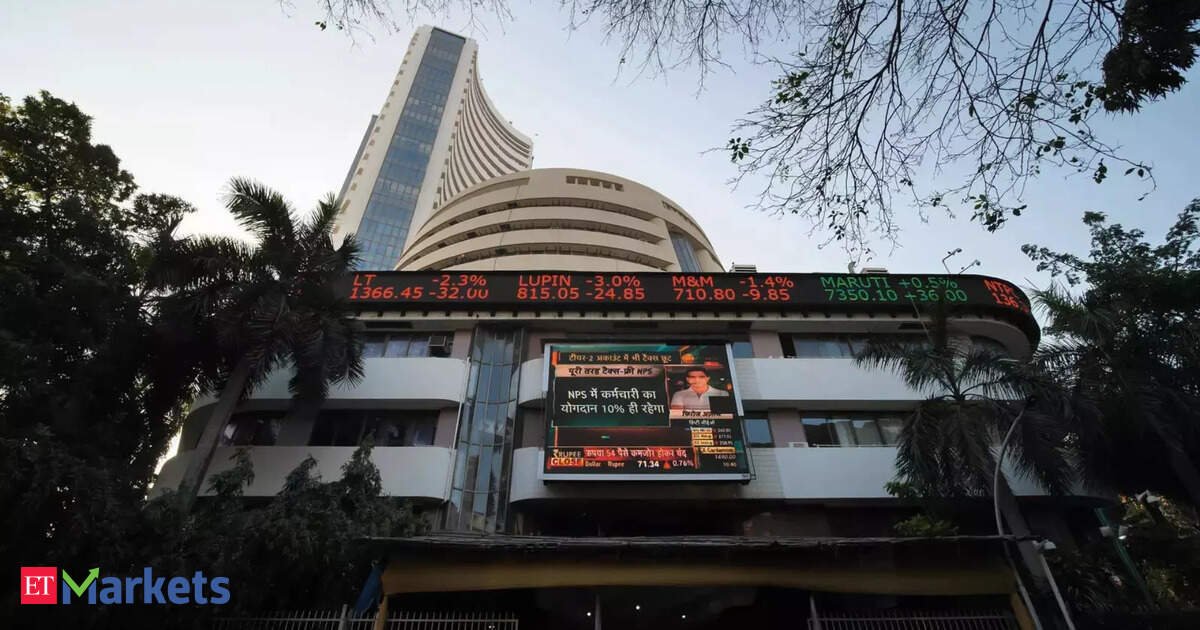
The Indian equities market witnessed a sharp rebound on Monday, driven by lower crude prices, a firmer rupee, and easing volatility. The BSE Sensex rose 776 points, or 1.02%, to 76,835.8, while the NSE Nifty climbed 228.50 points, or 0.9%, to 23,995.9.
Market Rebound Driven by Lower Crude Prices
The sharp rebound in the Indian equities market was largely driven by lower crude prices, with Brent crude futures falling more than 9% to around $89 per barrel. This decline in crude prices is seen as a positive for India, helping ease inflation concerns and reducing pressure on the current account and the rupee.
According to Manish Bhandari, chief executive and portfolio manager, Vallum Capital, “Brent retreating from $115+ highs directly eases India’s twin vulnerabilities – a widening current account and CPI inflation (at 4.38% in June). It gives the RBI (Reserve Bank of India), which had revised FY27 inflation to 5.1% on energy costs, meaningful room to cut rates.”
Impact of Lower Crude Prices on Indian Economy
The decline in crude prices will also help reduce pressure on the current account and the rupee, making it easier for the RBI to cut interest rates. This could have a positive impact on the Indian economy, particularly in the context of inflation and economic growth.
Market Impact and Sectoral Trends
- The Nifty Midcap 150 rose 1.09% and the Nifty Smallcap 250 gained 1.32%, indicating a broad-based rally in midcap and smallcap stocks.
- The media sector emerged as the top performer, followed by IT, realty, mid and small healthcare, financial services, auto, pharma, REITs, and chemicals.
- Oil and gas, PSU banks, private banks, construction, metals, and cement were the laggards in the sectoral trends.
Key Takeaways
- The Indian equities market witnessed a sharp rebound on Monday, driven by lower crude prices, a firmer rupee, and easing volatility.
- The decline in crude prices is seen as a positive for India, helping ease inflation concerns and reducing pressure on the current account and the rupee.
- The RBI may have room to cut interest rates, given the decline in crude prices and the revised FY27 inflation forecast.
FAQs
What are the key drivers of the market rebound?
The key drivers of the market rebound include lower crude prices, a firmer rupee, and easing volatility.
How will the decline in crude prices impact the Indian economy?
The decline in crude prices will help reduce pressure on the current account and the rupee, making it easier for the RBI to cut interest rates. This could have a positive impact on the Indian economy, particularly in the context of inflation and economic growth.
What are the sectoral trends in the market?
The media sector emerged as the top performer, followed by IT, realty, mid and small healthcare, financial services, auto, pharma, REITs, and chemicals. Oil and gas, PSU banks, private banks, construction, metals, and cement were the laggards in the sectoral trends.
Conclusion
The Indian equities market witnessed a sharp rebound on Monday, driven by lower crude prices, a firmer rupee, and easing volatility. The decline in crude prices is seen as a positive for India, helping ease inflation concerns and reducing pressure on the current account and the rupee. The RBI may have room to cut interest rates, given the decline in crude prices and the revised FY27 inflation forecast. Investors are advised to remain cautious ahead of the upcoming RBI policy decision and US Federal Reserve policy decision, which could influence market direction.