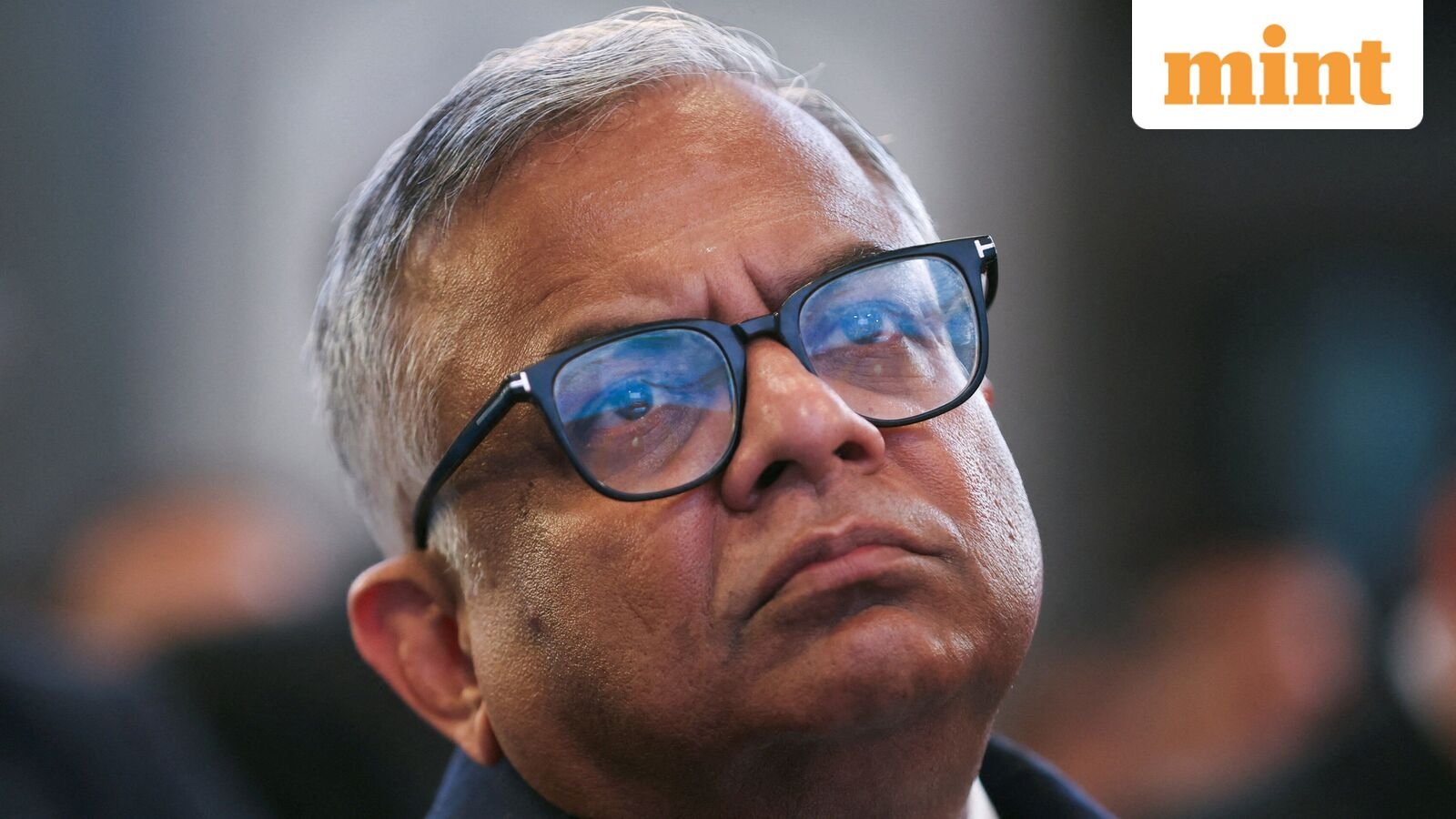
Tata Sons Leadership Vacuum: N Chandrasekaran’s Resignation Sparks Concerns
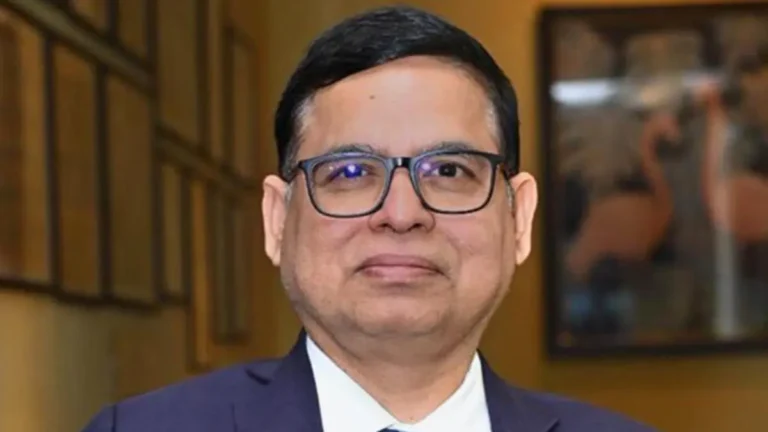
When silence isn’t golden: The rift that ended N Chandrasekaran’s Tata tenure has left a leadership vacuum at India’s largest business house, Tata Sons. The resignation of the chairman, who had been personally chosen by Ratan Tata, has underscored a breakdown in communication between the owners and the most powerful professional executive.
The Silent Rift
N Chandrasekaran’s resignation letter revealed a surprising reason for his departure: a unanimous recommendation from the Sir Dorabji Tata Trust and the Sir Ratan Tata Trust for a five-year extension to his tenure was not carried through due to opposition from one board member.
The unnamed board member may never be identified publicly, but the fact that the resignation was a surprise to Tata insiders and the rest of the world underscores a deeper issue. It points to a breakdown in communication between the owners and the executive leadership, a familiar story in Bombay House.
A Decade of Turmoil
A decade ago, the relationship between Ratan Tata and Cyrus Mistry had deteriorated to the point where communication had virtually ceased before Mistry’s dramatic removal as chairman in 2016. The resulting legal battle consumed years and left lasting scars on the Tata Group.
Market Impact and Details
- The resignation of N Chandrasekaran has left Tata Sons with barely six months to identify another leader for an organisation that is considerably more complex than it was in 2017.
- The next chairman will inherit not only Air India’s long turnaround and the group’s semiconductor ambitions, but also the challenge of rebuilding trust between owners and management.
- The Tata Group has never found succession easy, and the current situation is no exception.
Key Takeaways
- The breakdown in communication between the owners and the executive leadership is a major concern for the Tata Group.
- The resignation of N Chandrasekaran has left a leadership vacuum at Tata Sons, which will be challenging to fill.
- The Tata Group needs to rebuild trust between owners and management to move forward.
FAQs
What led to N Chandrasekaran’s resignation?
N Chandrasekaran’s resignation was due to a unanimous recommendation from the Sir Dorabji Tata Trust and the Sir Ratan Tata Trust for a five-year extension to his tenure, which was not carried through due to opposition from one board member.
What is the current situation at Tata Sons?
Tata Sons is currently without a chairman, and the organisation is facing a leadership vacuum. The next chairman will inherit a complex organisation with multiple challenges, including Air India’s long turnaround and the group’s semiconductor ambitions.
What is the lesson for other companies?
Corporate governance ultimately rests on trust between owners and professional managers. The Tata Group’s experience suggests that communication and trust are essential for a successful partnership between owners and management.
Conclusion
The resignation of N Chandrasekaran has left a leadership vacuum at Tata Sons, but it also presents an opportunity for the organisation to rebuild trust between owners and management. The next chairman will inherit a complex organisation with multiple challenges, but with the right approach, the Tata Group can move forward and achieve its goals.
The lesson from the Tata Group’s experience is clear: communication and trust are essential for a successful partnership between owners and management. As William Clay Ford Jr, executive chairman of Ford Motor Co., said, “There is no magic formula, it is about two people. People have to work at relationships… Trust is important, communication is very important.”