India’s ATM Cash Services Disrupted by Wage and Fuel Spike, ₹100 Crore Losses
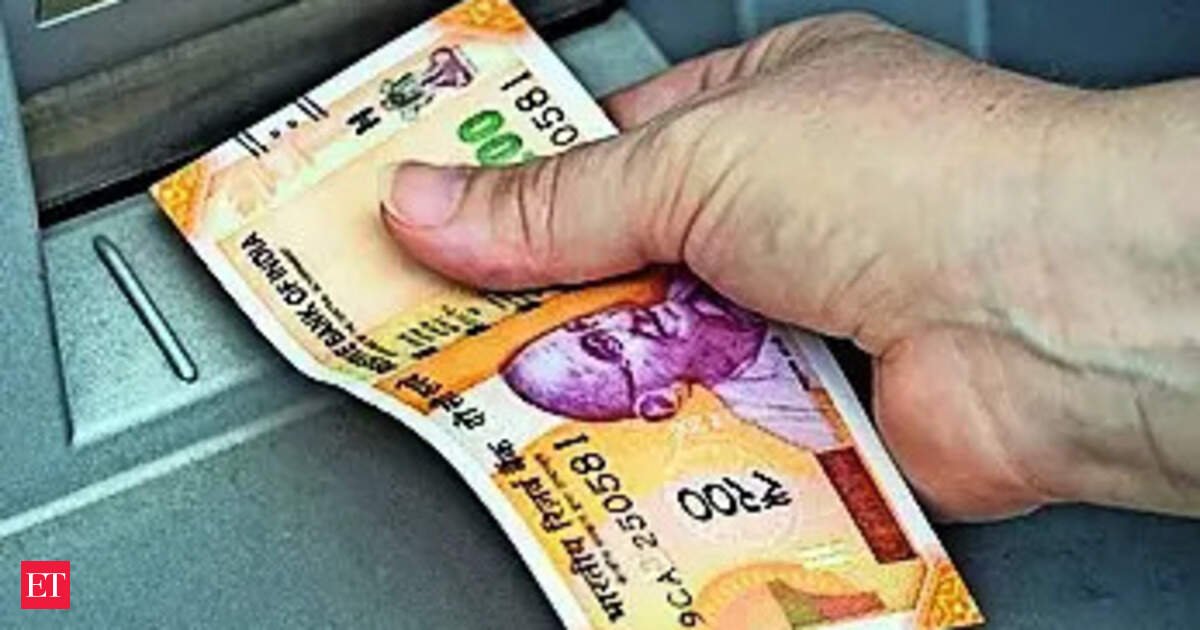
ATM cash services in four states have been severely impacted by a wage and fuel spike, causing intermittent service gaps and affecting uptime and cash availability.
Disruption Hits ATM Services Across Four States
The one-day disruption was caused by a combination of increasing labour expenses and higher fuel prices, which have squeezed already thin margins in the cash management ecosystem.
Industry executives estimate that wage costs have surged 40-50% over the past year, while fuel costs have further exacerbated the issue.
Collective industry losses have crossed ₹100 crore, and the industry is seeking recovery of these losses from the banks.
Need for Pricing Revisions
Cash logistics firms had been flagging the need for pricing revisions over the past several months, arguing that contracts signed years ago no longer reflected prevailing operating costs.
The increase in service fees being negotiated varies across banks and depends on the terms of individual contracts.
Market Impact and Details
- The disruption underlines the mounting financial stress in India’s cash management ecosystem, which has been grappling with increases in labour expenses and higher fuel prices.
- Public sector banks have so far stayed away from the negotiations, raising concerns that ATMs operated by state-owned lenders, particularly in tier-2 and tier-3 cities, could remain vulnerable if a resolution is not reached.
- The industry has reached an understanding with employees to resume full operations from Tuesday after some movement from private sector banks.
Key Takeaways
- The wage and fuel spike has caused a significant disruption in ATM cash services across four states.
- The industry is seeking recovery of losses from the banks, which have crossed ₹100 crore.
- Pricing revisions are necessary to ensure the sustainability of cash logistics operations.
FAQs
What is the main cause of the disruption in ATM services?
The main cause of the disruption is a combination of increasing labour expenses and higher fuel prices, which have squeezed already thin margins in the cash management ecosystem.
Which banks have agreed to renegotiate contracts and revise service fees?
Several private sector banks have agreed to renegotiate contracts and revise service fees, while discussions with other lenders continue.
Will public sector banks participate in the negotiations?
No, public sector banks have so far stayed away from the negotiations, raising concerns that ATMs operated by state-owned lenders could remain vulnerable if a resolution is not reached.
Conclusion
The recent disruption in ATM cash services highlights the mounting financial stress in India’s cash management ecosystem.
The industry is seeking recovery of losses from the banks, which have crossed ₹100 crore, and pricing revisions are necessary to ensure the sustainability of cash logistics operations.
We urge the banks to engage in meaningful negotiations to resolve this issue and prevent future disruptions.