
India RBI Interest Rate Decision: Key Takeaways and Market Impact
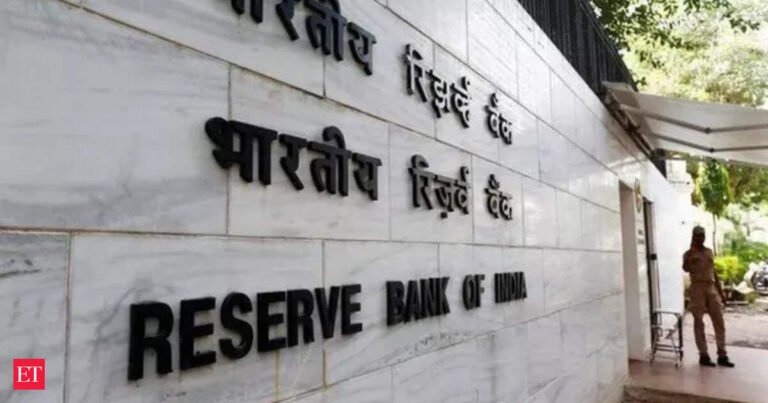
The Reserve Bank of India (RBI) is set to make a crucial decision on interest rates, with its rate-setting panel starting deliberations on Wednesday. The Monetary Policy Committee (MPC) is expected to announce its decision on June 5, with many experts predicting that the central bank may leave the key policy rate unchanged at 5.25 per cent.
Monetary Policy Committee Begins Deliberations Amid Expectations of Rate Stability
The six-member MPC, headed by RBI Governor Sanjay Malhotra, will deliberate on the country’s economic situation and inflationary pressures over the next three days. The central bank has been closely monitoring the impact of the West Asia conflict on energy supplies, inflation, and growth.
With surging energy prices, continuing supply chain woes, and a depreciating rupee, some experts believe that the RBI may raise its inflation forecast and lower its GDP growth estimate.
Experts Weigh in on RBI’s Rate Decision
Gaura Sen Gupta, Chief Economist at IDFC First Bank, expects the RBI to stay on pause as inflation remains within the inflation-targeting band. “Moreover, there is downside risk to growth due to the surge in input costs. RBI’s flexible inflation-targeting band provides it policy space to look through the first-round impact of the surge in fuel prices,” Gupta added.
Market Impact and Details
- The RBI factors in the consumer price index (CPI) when formulating its monetary policy.
- The government has set the consumer price index (CPI) based headline inflation target at 4 per cent with the upper tolerance level of 6 per cent and the lower tolerance level of 2 per cent for the central bank.
- The CPI or retail inflation rose slightly to 3.48 per cent in April, mainly due to higher prices of gold and silver jewellery as well as some kitchen items.
- HSBC Chief India Economist Pranjul Bhandari believes it would be a close call for the RBI, but the repo rate may be left unchanged on June 5 since CPI inflation remains below target so far, financial conditions are tightening anyway, and the RBI may not want to give the impression that it is using rate hikes for forex defence.
Key Takeaways
- The RBI is expected to announce its decision on June 5, with many experts predicting that the central bank may leave the key policy rate unchanged at 5.25 per cent.
- The central bank has been closely monitoring the impact of the West Asia conflict on energy supplies, inflation, and growth.
- Experts believe that the RBI may raise its inflation forecast and lower its GDP growth estimate due to surging energy prices, continuing supply chain woes, and a depreciating rupee.
FAQs
What is the RBI’s inflation-targeting band?
The RBI’s inflation-targeting band is set at 4 per cent with the upper tolerance level of 6 per cent and the lower tolerance level of 2 per cent.
What is the current CPI inflation rate in India?
The CPI or retail inflation rose slightly to 3.48 per cent in April, mainly due to higher prices of gold and silver jewellery as well as some kitchen items.
What is the expected impact of the RBI’s rate decision on the real estate sector?
The RBI’s rate decision is expected to have a significant impact on the real estate sector, with many experts predicting that a stable interest rate environment will help sustain business confidence, encourage investments, and create more opportunities for students, freelancers, and emerging enterprises.
Conclusion
The RBI’s rate decision on June 5 is expected to have a significant impact on the country’s economy. With many experts predicting that the central bank may leave the key policy rate unchanged at 5.25 per cent, the RBI is likely to maintain a cautious stance to balance inflation management with the need to sustain growth momentum. As the country continues to witness strong entrepreneurial activity and growing participation in flexible work and gig opportunities, it is essential for the RBI to maintain a growth-supportive stance to sustain business confidence and encourage investments.