India’s Digital Revolution: Jio Platforms and NSE IPOs Set to Shape Country’s Economy
India’s biggest share sales, including those of the National Stock Exchange (NSE) and Jio Platforms, are set to reveal the story of a country glued to its phones, with investors closely watching the listings for signs of a changing economy.
India’s Digital Revolution: Jio Platforms and NSE IPOs
Jio Platforms, the digital arm of billionaire Mukesh Ambani’s Reliance Industries, and the National Stock Exchange (NSE) filed draft papers for their initial public offerings just days apart last month. Jio is expected to mop up around $4bn from the market at an estimated valuation of $120-160bn, while NSE’s issue will reportedly offer 6% equity for $3.3bn, valuing the bourse at $57bn.
The unprecedented scale of the offerings could take India’s overall market capitalisation up by several notches, making them landmark listings for the country’s capital markets.
The Rise of Digital India
Investors are closely watching the listings because they represent the sweeping changes in the way Indians have come to live, consume, invest and transact in the last decade. Jio’s belated entry into India’s crowded telecom market in 2016 consolidated a highly fragmented industry of 17 operators and turned it into a virtual duopoly, as the Ambanis sparked a fierce pricing war by offering virtually free data to hundreds of millions of new users.
Barely 200 million Indians used the internet decade ago. That number is now inching closer to the billion mark with Jio alone amassing 525 million of those subscribers. They use its data to make payments, watch web shows and shop online.
Market Impact and Details
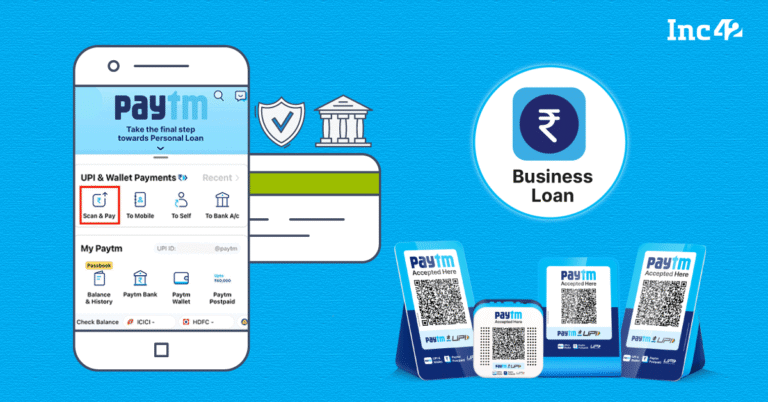
- The way the country spends money and time has also changed dramatically as a result of this digitisation. India’s United Payments Interface (UPI), launched in the same year as Jio, went from processing near zero digital payments to 228 billion transactions in 2025, according to Zerodha, a brokerage.
- Paid subscribers to OTT platforms jumped 40% between 2019 and 2026.
- The rise of the NSE mirrors the explosion of retail investing in India, as millions of mom-and-pop investors entered the stock market during the pandemic. Fuelled by cheap mobile data and rising smartphone use, the number of online trading accounts surged from about 30 million to more than 200 million.
Key Takeaways
- The simultaneous offerings of Jio and NSE could help draw global capital, as these companies “broaden the investable universe” and provide foreign money with opportunities to invest in sectors that are central to India’s growth story going ahead.
- The pricing of these issues is what will ultimately determine whether their business success can translate into shareholder returns.
- The Indian markets have been among the worst performing globally over the last year, as foreign investors pulled billions of dollars from the country in search of higher returns in the US and AI-driven opportunities elsewhere in Asia.
FAQs
What are the key drivers of India’s digital revolution?
The key drivers of India’s digital revolution are the widespread adoption of mobile phones and the internet, led by Jio’s affordable data plans and the launch of the United Payments Interface (UPI) in 2016.
How will the IPOs of Jio and NSE impact the Indian markets?
The IPOs of Jio and NSE could help draw global capital and provide foreign money with opportunities to invest in sectors that are central to India’s growth story going ahead.
What are the challenges facing the Indian markets?
The Indian markets have been among the worst performing globally over the last year, as foreign investors pulled billions of dollars from the country in search of higher returns in the US and AI-driven opportunities elsewhere in Asia.
Conclusion
The IPOs of Jio and NSE represent the twin pillars of India’s new economy, and their simultaneous offerings could help draw global capital. However, the pricing of these issues is what will ultimately determine whether their business success can translate into shareholder returns. Investors are closely watching the listings for signs of a changing economy, and the outcome will have a significant impact on the Indian markets.