India’s Energy Sector Poised for Transformation with 2,000 GW Capacity Addition
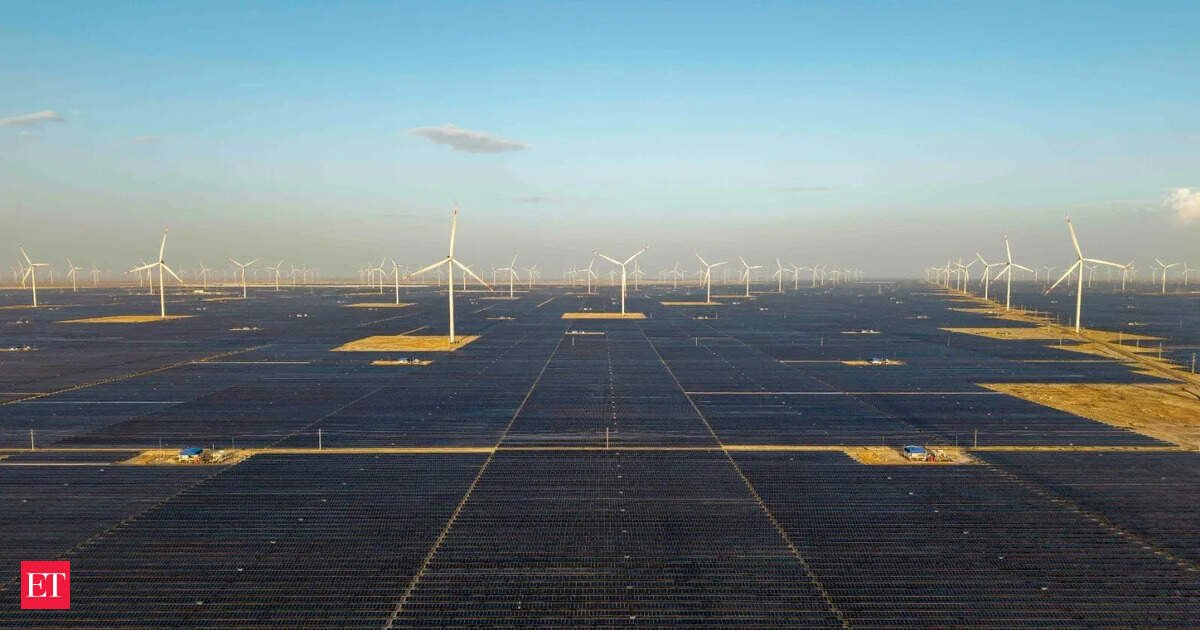
India’s energy sector is poised for a significant transformation, with a pressing need to add 2,000 GW of new power capacity over the next two decades, according to Adani Green Energy’s Sagar Adani. This ambitious goal is crucial for ensuring energy security, affordability, and accessibility, while also promoting a cleaner energy mix.
Adani Green Electrification Dialogue Highlights Energy Transition Challenges
Speaking at the inaugural Adani Green Electrification Dialogue in London, Sagar Adani emphasized the importance of a pragmatic approach to the energy transition. He noted that India should leverage a diverse range of energy sources, including renewables, hydro, efficient thermal, and nuclear power.
Adani highlighted the scale of India’s energy requirements, citing the country’s consumption of approximately 10,000 terawatt-hours of energy across all fuel sources in 2024, compared to 32,810 terawatt-hours in China.
Key Energy Sources for India’s Future
Adani emphasized the need for a balanced energy mix, stating that “without firm, scalable baseload power, the math simply does not work.” This underscores the importance of investing in a range of energy sources, including:
- Renewables: Adani Green Energy is targeting 50 GW of renewable energy capacity by 2030.
- Hydro: A reliable source of renewable energy.
- Efficient thermal: Improving the efficiency of thermal power plants to reduce emissions.
- Nuclear: Adani plans to build a 10-GW nuclear portfolio by 2035.
Market Impact and Details
The Adani Group operates across the entire electricity value chain, from generation to transmission and distribution. The group is also investing in energy storage, transmission infrastructure, and green hydrogen.
Adani noted that the group’s chairman, Gautam Adani, has committed over USD 100 billion towards energy transition, one of the largest private-sector commitments in the world.
Key Takeaways
- India needs to add 2,000 GW of new power capacity over the next two decades.
- A balanced energy mix is crucial for ensuring energy security, affordability, and accessibility.
- The Adani Group is committed to a diversified energy portfolio, including renewables, hydro, efficient thermal, and nuclear power.
FAQs
What is the significance of the Adani Green Electrification Dialogue?
The dialogue brings together policymakers, investors, business leaders, and climate experts to discuss the energy transition challenges and opportunities in India.
What is the Adani Group’s commitment to energy transition?
The group’s chairman, Gautam Adani, has committed over USD 100 billion towards energy transition, one of the largest private-sector commitments in the world.
What is the Adani Group’s target for renewable energy capacity?
The group is targeting 50 GW of renewable energy capacity by 2030.
Conclusion
In conclusion, India’s energy sector is at a critical juncture, requiring a significant transformation to meet the country’s growing energy demands. The Adani Group’s commitment to a diversified energy portfolio and its ambitious targets for renewable energy capacity are crucial steps towards achieving energy security, affordability, and accessibility. As the world transitions towards a cleaner energy mix, India’s energy sector is poised for a significant leap forward.