
India’s solar energy sector is facing a crisis due to a failure of planning, coordination, and infrastructure, according to Swaminathan Aiyar. The country has been installing solar energy faster than local demand can absorb it, resulting in a surplus that cannot be stored or transmitted to zones needing power. This has led to a situation where the price of electricity on the Indian Energy Exchange has fallen to zero on two occasions in May, despite the country being in the grip of a severe energy crisis.
The Solar Crisis in India
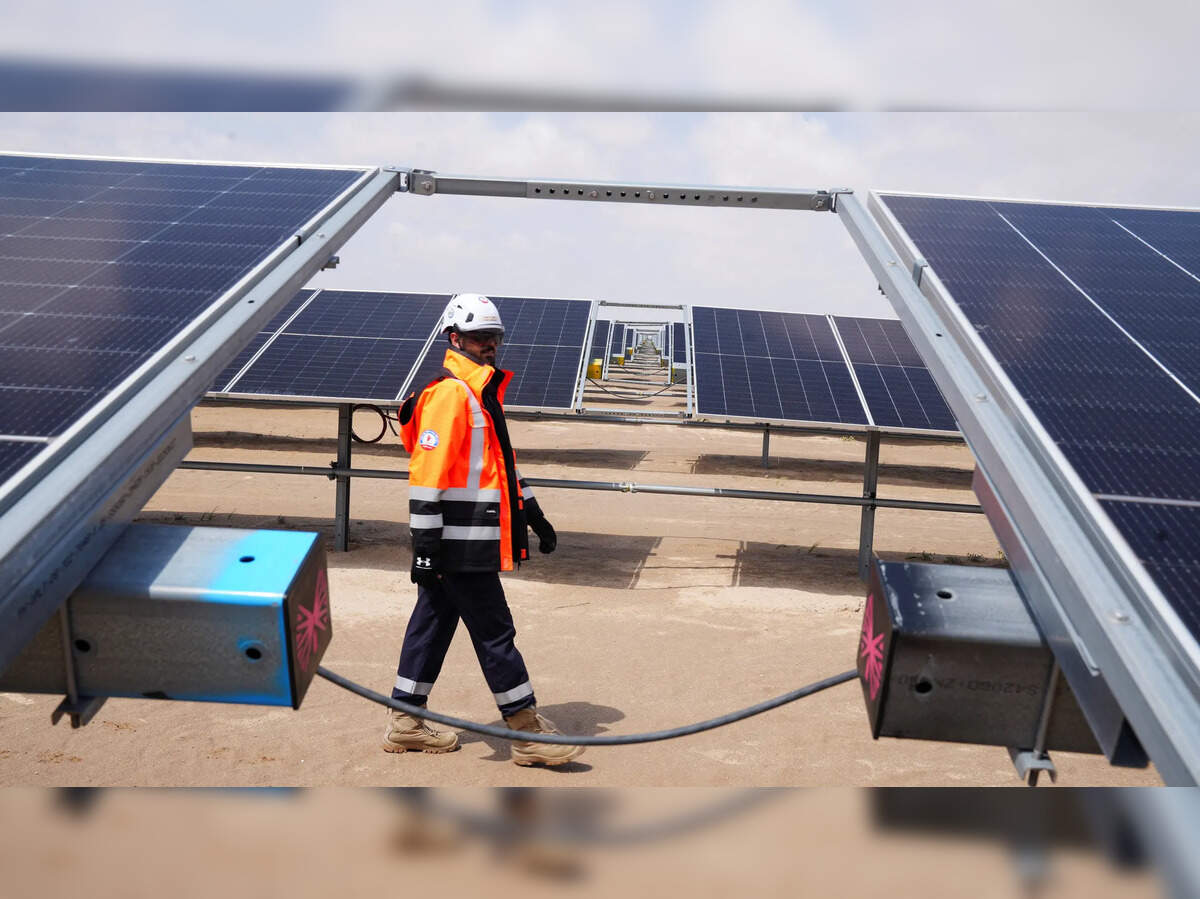
The worst affected state is Rajasthan, which has enormous solar potential but limited industrial demand. Since the summer of 2025, solar and wind projects in the state have suffered severe curtailment, with some forced to shut down completely during peak daylight hours. An ET report revealed that the state had been curtailing up to 80% of solar generation for weeks because of low demand.
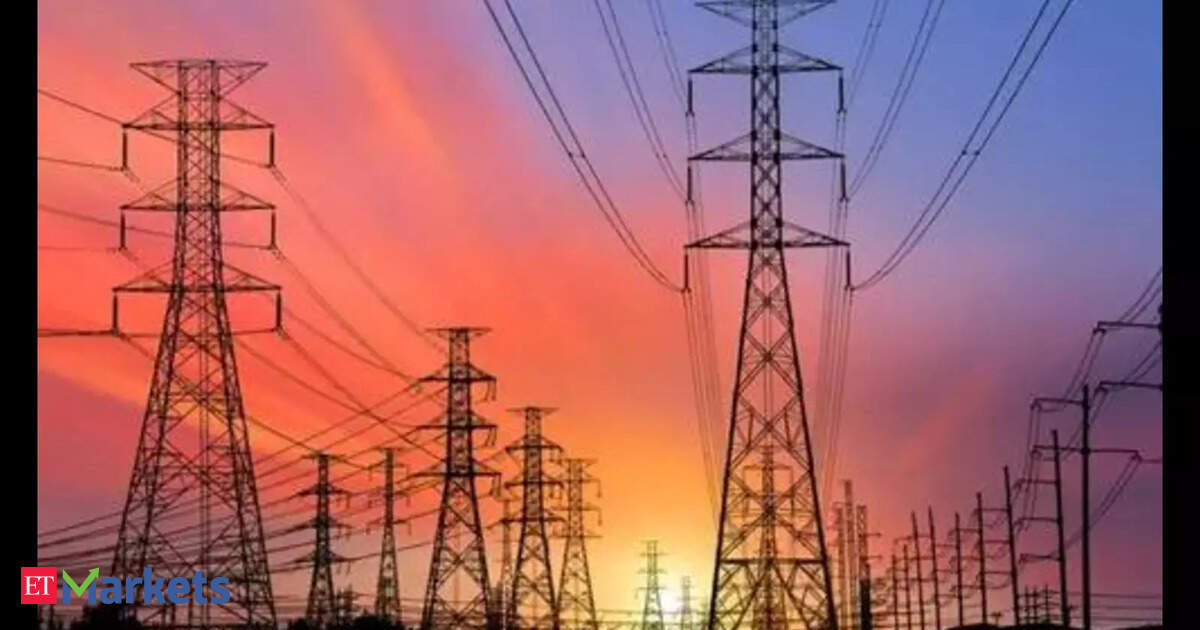
Rajasthan simply cannot absorb all the power it generates, while the national grid lacks sufficient infrastructure to carry the surplus to power-deficit regions. Meanwhile, fresh solar installation is rising faster than ever, exacerbating the problem. Policymakers have focused overwhelmingly on adding renewable generation capacity without simultaneously building transmission systems, storage facilities, and demand-management mechanisms needed to integrate that power into the national grid.
Cause of the Crisis
The root cause of the crisis is the lack of coordination between renewable energy generation, transmission infrastructure, and demand management. Solar parks have grown explosively in Rajasthan and Kutch in Gujarat because of abundant sunshine and vast tracts of cheap desert land. However, consumers are in industrial and urban centers hundreds of kilometers away, making it difficult to transmit the generated power.
Market Impact and Details
The solar crisis has significant implications for the renewable energy sector in India. The lack of transmission infrastructure and storage facilities has resulted in curtailment of solar generation, leading to financial losses for solar project developers. The situation is further complicated by the fact that coal-based power stations in Rajasthan cannot be shut down completely, as it is expensive and uses much fuel oil.
- Delays in commissioning critical transmission lines have exhausted available transmission margins.
- More than 4 GW of renewable capacity lacks proper evacuation capability, and the gap keeps rising.
- Rajasthan has over 35 GW of solar capacity, 27% of the national total, but has been curtailing up to 80% of solar generation due to low demand.
Key Takeaways
- India’s solar crisis is a result of a failure of planning, coordination, and infrastructure.
- The lack of transmission infrastructure and storage facilities is the main cause of the crisis.
- Demand management is critical to resolving the crisis, and incentives for electricity consumption during solar peak hours are needed.
FAQs
What is the main cause of the solar crisis in India?
The main cause of the solar crisis in India is the lack of coordination between renewable energy generation, transmission infrastructure, and demand management.
How much solar capacity has been curtailed in Rajasthan?
Up to 80% of solar generation has been curtailed in Rajasthan due to low demand, with some projects experiencing complete daytime shutdowns.
What is the solution to the solar crisis?
The solution requires fast-tracking critical transmission infrastructure while synchronizing renewable generation approvals with evacuation capacity. Demand management is equally critical, and incentives for electricity consumption during solar peak hours are needed.
Conclusion
In conclusion, India’s solar crisis is a complex issue that requires a comprehensive solution. The lack of transmission infrastructure and storage facilities is the main cause of the crisis, and demand management is critical to resolving it. The Indian government must take immediate action to address the crisis, including fast-tracking critical transmission infrastructure and implementing demand management strategies. By doing so, India can unlock the full potential of solar energy and achieve its renewable energy targets. Investors and developers must also work together to find solutions to the crisis, and consumers must be incentivized to consume electricity during solar peak hours. Only through a coordinated effort can India overcome the solar crisis and achieve a sustainable energy future.

Leave a Reply