
RBI Introduces Measures to Attract Foreign Capital Amid Economic Uncertainty
The Reserve Bank of India (RBI) has taken a proactive approach to attract foreign capital into the country, introducing measures to draw in overseas investors into government bonds and equities, while maintaining a neutral stance on interest rates. The central bank has revised its inflation forecast upward to 5.1%, from 4.6%, and lowered its growth forecast for FY27 to 6.6%, from 6.9% projected in the previous policy.
Central Bank’s Measures to Attract Foreign Capital
The RBI has taken several steps to attract foreign capital, including providing public sector units with time-bound incentives to raise external commercial borrowings (ECB), and agreeing to bear the hedging cost on fresh three- to five-year FCNR(B) deposits. These measures are expected to support the rupee, which has fallen 4.1% since the start of the US-Iran conflict.
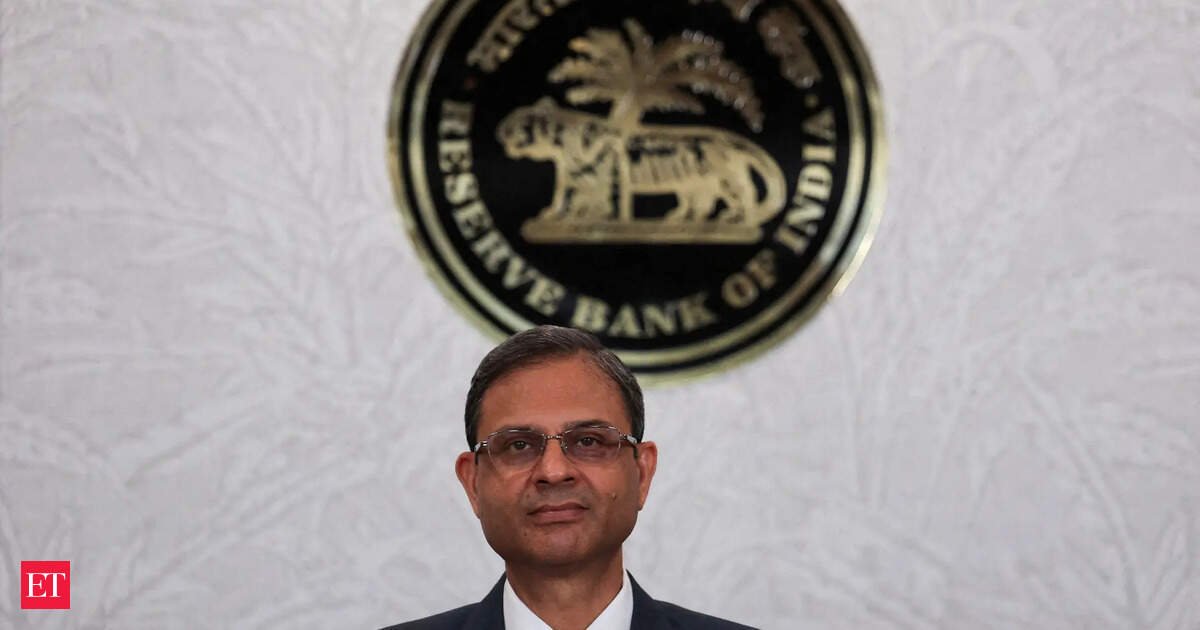
RBI governor Sanjay Malhotra expressed confidence in the measures, stating that they would result in a “very healthy balance of payments” compared to what it would have been otherwise.
Impact on Foreign Institutional Investors
The measures come amid outflows of $13.7 billion by foreign institutional investors from the equity market. However, economists expect strong inflows, with some predicting a potential capital flow of at least $40 billion.
Market Impact and Details
- The RBI has revised its inflation forecast upward to 5.1%, from 4.6%, and lowered its growth forecast for FY27 to 6.6%, from 6.9% projected in the previous policy.
- The measures are expected to support the rupee, which has fallen 4.1% since the start of the US-Iran conflict.
- The 10-year government bond yield fell four basis points to close at 6.97%, while the rupee gained 84 paise to close at 94.95 on Friday.
Key Takeaways
- The RBI has introduced measures to attract foreign capital into government bonds and equities.
- The central bank has revised its inflation forecast upward to 5.1%, from 4.6%, and lowered its growth forecast for FY27 to 6.6%, from 6.9% projected in the previous policy.
- Economists expect strong inflows, with some predicting a potential capital flow of at least $40 billion.
FAQs
What are the RBI’s measures to attract foreign capital?
The RBI has introduced measures to attract foreign capital, including providing public sector units with time-bound incentives to raise external commercial borrowings (ECB), and agreeing to bear the hedging cost on fresh three- to five-year FCNR(B) deposits.
What is the impact of the measures on foreign institutional investors?
The measures come amid outflows of $13.7 billion by foreign institutional investors from the equity market. However, economists expect strong inflows, with some predicting a potential capital flow of at least $40 billion.
What is the RBI’s stance on interest rates?
The RBI has maintained a neutral stance on interest rates, with governor Sanjay Malhotra stating that the 4% inflation target is “not in abeyance” and remains “sacrosanct.”
Conclusion
The RBI’s measures to attract foreign capital are expected to support the rupee and attract strong inflows. However, economists have expressed concerns over rising inflation risks, which could stem from higher oil prices following the West Asia crisis. The RBI has reiterated its commitment to maintaining a neutral stance on interest rates, with governor Sanjay Malhotra stating that the 4% inflation target remains “sacrosanct.” As the economy faces uncertainty over the nature and duration of the conflict, as well as the time needed for the restoration of supplies, the RBI’s measures are expected to provide support to the economy.
Investors are advised to keep a close eye on the RBI’s future policy decisions and the impact of the measures on the economy. With the potential for strong inflows and a supportive policy stance, the RBI’s measures are expected to provide a boost to the economy.