
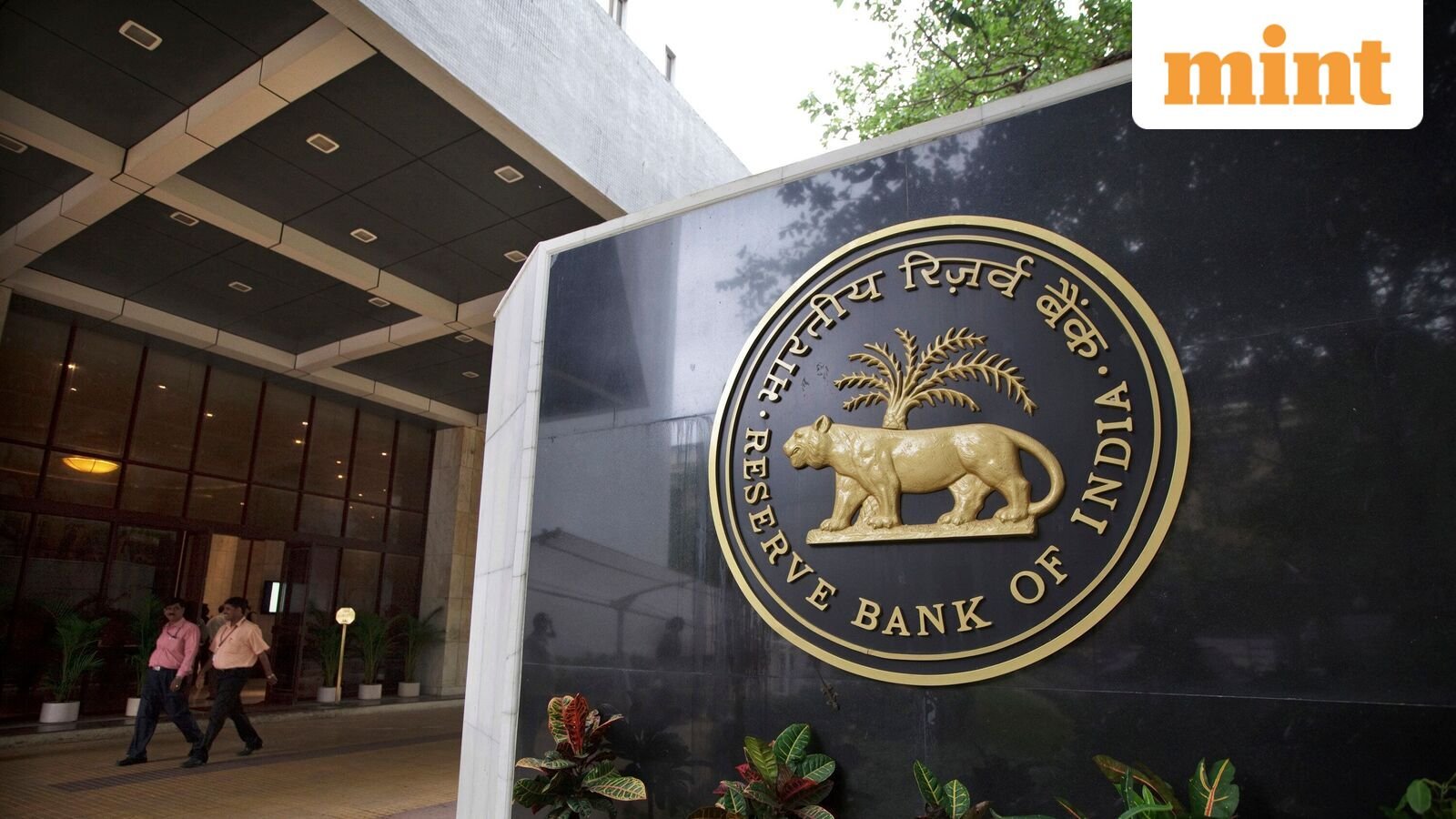
RBI Monetary Policy Review: Impact on Fixed-Income Investors and Economy
The Reserve Bank of India (RBI) is set to unveil its monetary policy review next week, and fixed-income investors are eagerly awaiting the central bank’s decision, as the Indian economy remains highly sensitive to global yields, currency pressures, and evolving inflation dynamics amid the ongoing Middle East war.
RBI Monetary Policy Committee (MPC) Meeting
The RBI MPC is scheduled to meet for three days from 3 June to 5 June 2026, and investors are closely monitoring whether the central bank will maintain its cautious stance or signal any shift in liquidity and rate guidance amid uncertainty, external risks, and uneven growth.
Basant Bafna, Head – Fixed Income, Mirae Asset Mutual Fund, explains that with geopolitical uncertainties continuing to persist, supply side effects are expected to percolate into the broader economy with follow-on impact on growth, inflation, and currency.
Inflation Expectations
Basant Bafna added that inflation for FY 2027 is expected to be revised upwards while remaining within the tolerance band of 2%-6%, and as overall growth is expected to be revised downwards for FY 2027, the RBI is expected to maintain a fine balance on supporting growth while focusing on measures to attract foreign currency flows.
Market Impact and Details
Fixed Income markets remain risk-averse heading into the policy, with the Money Market as well as the Corporate Bond curves exhibiting bear flattening, and Harsimran Sahni, EVP & Head – Treasury, Anand Rathi Global Finance, discussed how the policy can influence fixed-income investors.
Sahni said that benchmark yields across major economies, including the US, UK, Germany, and Japan, have climbed significantly, nearing levels last witnessed during the 2022 tightening cycle amid persistent inflationary pressures and continued repricing of interest rate expectations.
- Domestic benchmark bond yields are expected to remain largely range-bound between 6.95% and 7.05% over the near term.
- The RBI is expected to maintain a calibrated wait-and-watch approach rather than opt for an immediate rate hike.
- Fixed income investors should focus on duration management and carry strategies, while staying alert to commentary on inflation, currency intervention, and global spillover risks that could shape the next phase of yield movement.
Key Takeaways
- The RBI is expected to prioritize stability, balancing inflation risks with slowing growth while keeping a close watch on currency volatility, geopolitical developments, and capital flows.
- Fixed income investors should focus on duration management and carry strategies, while staying alert to commentary on inflation, currency intervention, and global spillover risks that could shape the next phase of yield movement.
- The RBI is expected to maintain a calibrated wait-and-watch approach rather than opt for an immediate rate hike, and domestic benchmark bond yields are expected to remain largely range-bound between 6.95% and 7.05% over the near term.
FAQs
What is the expected outcome of the RBI monetary policy review?
The RBI is expected to prioritize stability, balancing inflation risks with slowing growth while keeping a close watch on currency volatility, geopolitical developments, and capital flows.
How will the RBI monetary policy review affect fixed-income investors?
Fixed income investors should focus on duration management and carry strategies, while staying alert to commentary on inflation, currency intervention, and global spillover risks that could shape the next phase of yield movement.
What are the key factors that will influence the RBI’s decision?
The RBI will consider various factors, including global yields, currency pressures, and evolving inflation dynamics amid the ongoing Middle East war, as well as geopolitical uncertainties and supply side effects that are expected to percolate into the broader economy.
Conclusion
In conclusion, the RBI monetary policy review is expected to reinforce stability rather than trigger surprises, and fixed-income investors should focus on duration management and carry strategies while staying alert to commentary on inflation, currency intervention, and global spillover risks that could shape the next phase of yield movement. To stay up-to-date with the latest developments, investors should closely monitor the RBI’s commentary and adjust their investment strategies accordingly, and consider consulting with a financial advisor to make informed decisions about their investment portfolios.